
Military Aid 2026: What’s Changing and Why It Matters
Military aid remains one of the most talked-about topics in global politics today. As conflicts continue across Europe, the Middle East, and beyond, countries are rethinking how, when, and how much military aid they provide to allies. However, recent reports show major shifts in funding levels, delivery speed, and the types of equipment being sent.
This article breaks down the latest updates on military, why it matters, and what to expect going forward.
Why Military Aid Matters Right Now
Military aid shapes the outcome of conflicts and influences global power balances. Additionally, it affects diplomatic relationships between donor and recipient nations.
Here’s why this topic deserves attention:
- It impacts national security. Countries that receive military aid often depend on it to defend their borders.
- It shapes global alliances. Nations providing aid strengthen strategic partnerships.
- It influences the economy. Defense contracts tied to military aid boost domestic industries.
- It affects civilians. Aid delivery speed can directly impact humanitarian outcomes on the ground.
As a result, shifts in military policy ripple far beyond the battlefield.
Key Factors Driving Military Aid Decisions
Governments consider several factors before approving military aid packages. Understanding these factors helps explain why aid levels rise or fall.
Budget and Political Pressure
Domestic budgets play a huge role. For instance, recent data shows that direct U.S. military aid deliveries to Ukraine dropped by more than 50% in 2026 compared to the previous year, as monthly contract fulfillment slowed significantly [internal link: /us-defense-budget-2026]. This decline reflects growing political debate over long-term funding commitments.
Strategic Alliances
Countries often provide military to strengthen ties with allies. Italy, for example, is preparing its 13th aid package for Ukraine, which reportedly includes advanced air-defense systems and radar stations. This shows that even as some nations slow down, others are stepping up.
Battlefield Technology
Modern warfare increasingly relies on drones and precision weapons. Consequently, aid packages now often prioritize technology over traditional heavy equipment.
Types of Military Aid
Not all military looks the same. Below are the main categories used by governments worldwide.
Direct Weapons Transfers
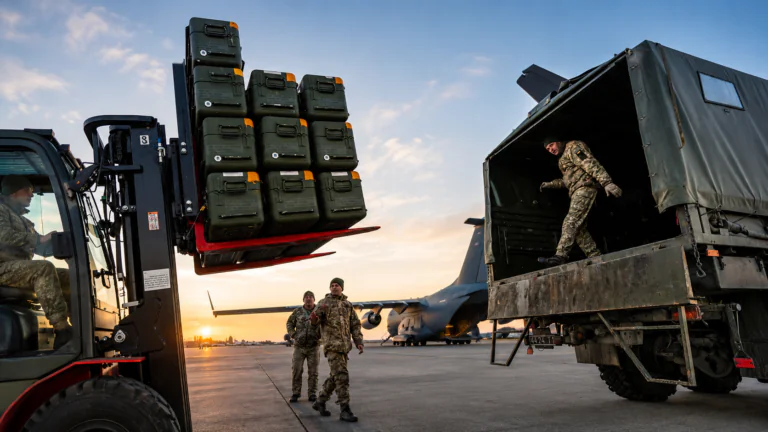
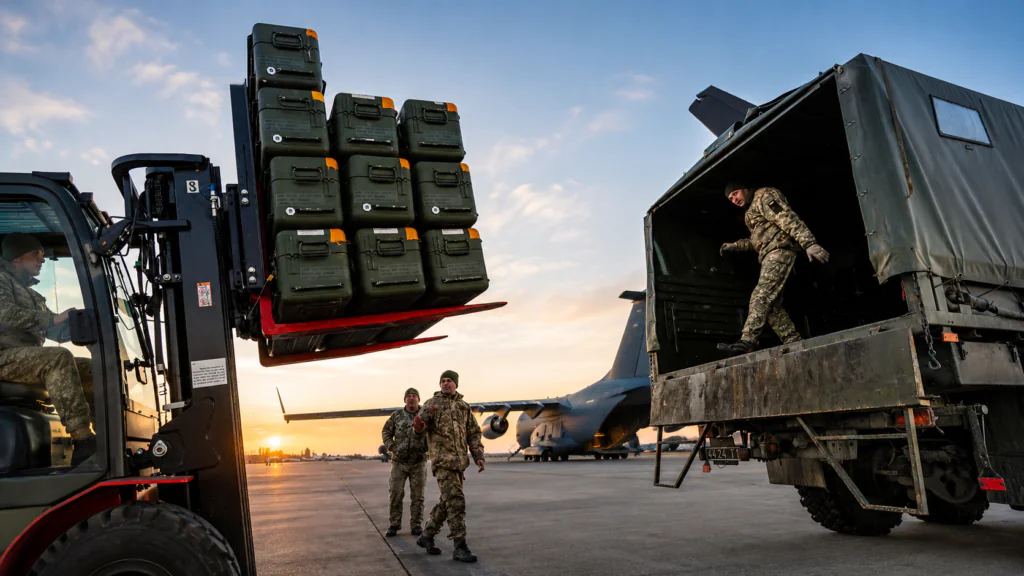
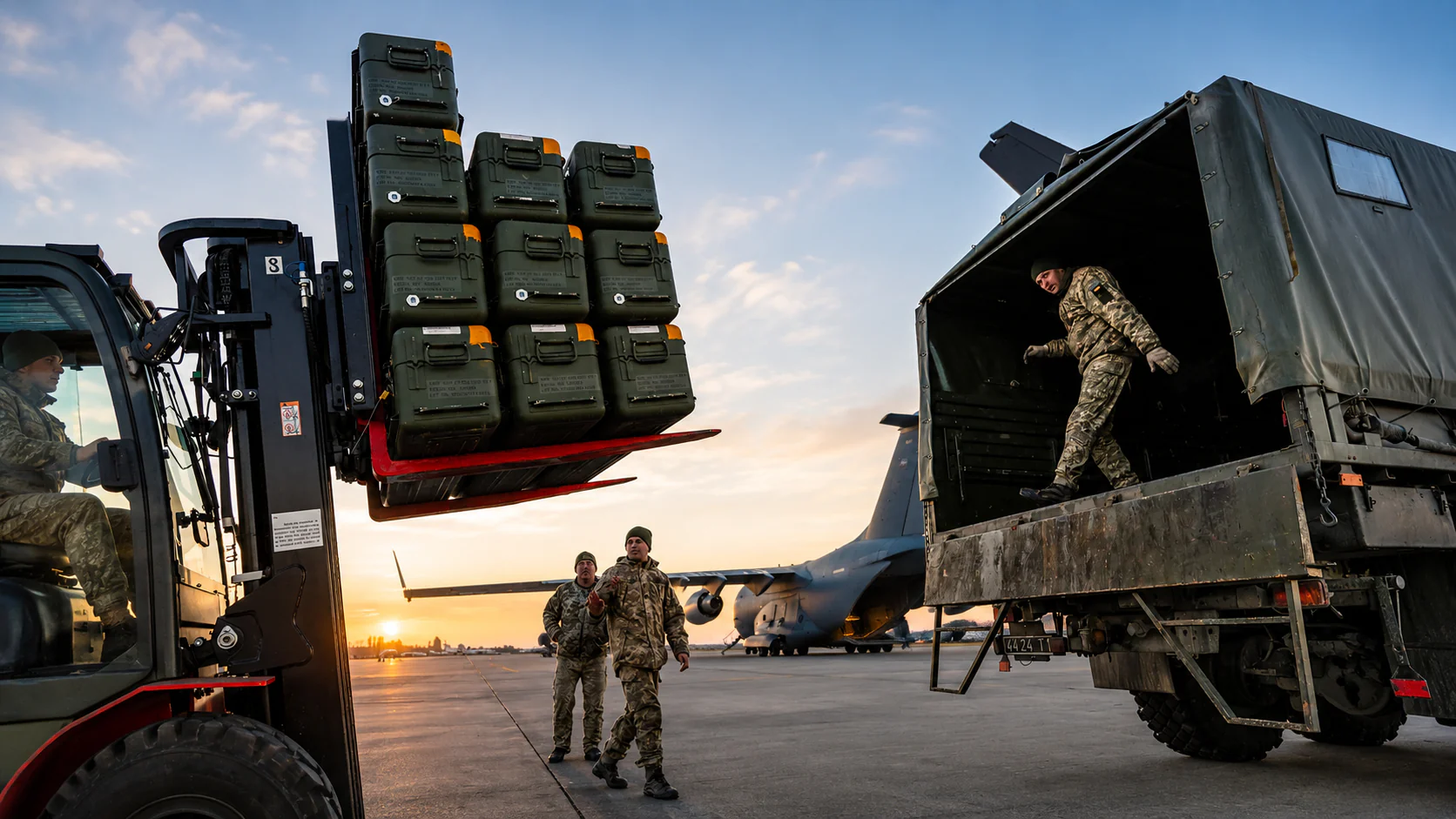
This includes tanks, missiles, ammunition, and aircraft sent directly from one nation’s stockpile to another.
Financial Assistance Programs
Instead of physical weapons, some military comes as funding. Recipients then use this money to purchase equipment from approved suppliers.
Training and Advisory Support
Military isn’t only about hardware. Many programs include troop training, cybersecurity support, and strategic planning assistance.
Humanitarian-Military Hybrid Aid
Some packages combine military logistics with humanitarian relief, such as medical supplies or engineering support for civilian infrastructure.
How to Evaluate a Aid Package
If you’re following military news, here’s a simple guide to understanding what makes a package significant.
- Check the dollar value. Larger packages usually signal stronger commitment.
- Look at equipment type. Advanced weapons systems indicate long-term strategic support.
- Review delivery timelines. Faster delivery often matters more than package size during active conflicts.
- Consider the political context. Domestic elections or budget votes can delay or accelerate military aid.
However, headlines don’t always tell the full story. Additionally, actual delivery often differs from what’s initially announced.
Common Mistakes to Avoid When Following Military Aid News
Many readers misunderstand military coverage. Avoid these common mistakes:
- Confusing pledges with deliveries. An announced package isn’t the same as equipment arriving on the ground.
- Ignoring funding mechanisms. Some aid comes from existing stockpiles, while other aid requires new congressional or parliamentary approval.
- Overlooking smaller donor nations. Countries beyond the U.S. and major European powers also contribute significant military aid.
- Missing the humanitarian angle. Military aid decisions often affect aid worker safety and civilian access to relief supplies.
As a result, staying informed requires looking beyond single news headlines.
Staying Updated on Military Aid Trends
Military policy changes frequently, so it helps to follow reliable sources regularly.
- Government defense department announcements
- International humanitarian organization reports
- Verified defense industry publications [external link: nato.int]
- Independent conflict-monitoring outlets
Additionally, cross-checking multiple sources helps avoid misinformation, which spreads quickly around sensitive defense topics.
Conclusion
Military continues to shape global conflicts, alliances, and humanitarian outcomes in 2026. While some nations are reducing their contributions, others are increasing support with advanced technology and long-term commitments. Understanding how military aid works — from funding sources to delivery timelines — helps you make sense of today’s headlines.
If you want to stay ahead of these developments, keep following trusted sources for the latest updates on military aid, and share this article to help others understand what’s really happening behind the news.