

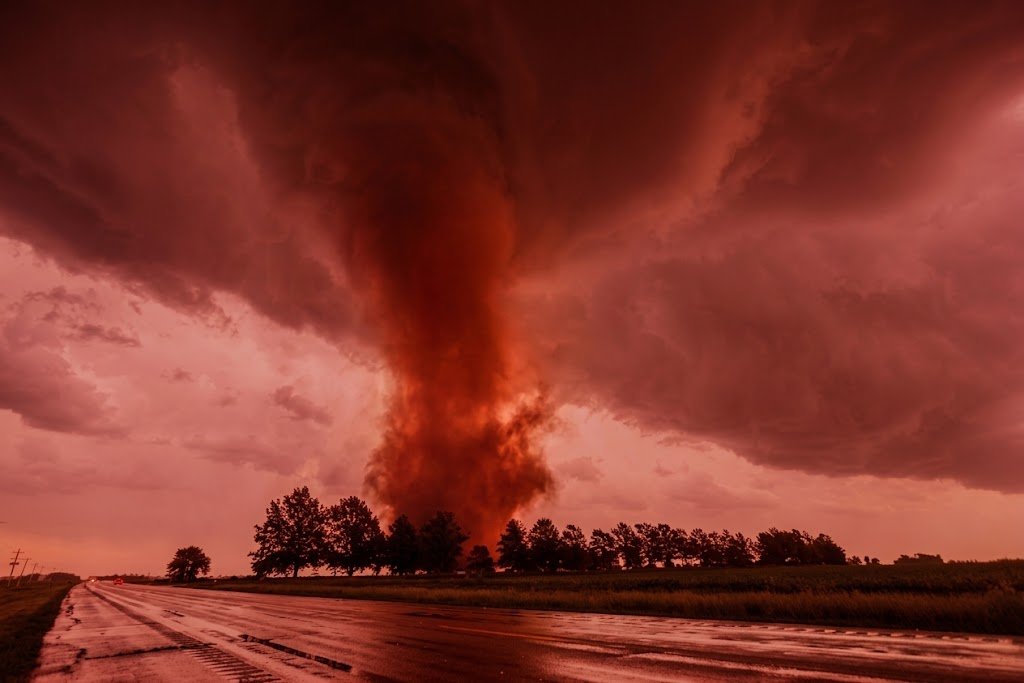
Tornado Warning: What It Means and What to Do Right Now
A tornado warning means danger is close. A tornado has been spotted, or radar shows one forming. You should take shelter immediately.
Every second counts. Therefore, this guide gives you seven clear steps, plus the facts behind this year’s tornado season.
Why a Tornado Warning Matters
Tornadoes can form fast, and some give only minutes of notice. As a result, a plan you make today can save your life tomorrow.
The numbers show the risk. According to Wikipedia’s 2026 tracker, the US recorded 1,237 tornadoes and 15 deaths through late July. Additionally, the strongest, an EF4, hit Enid, Oklahoma, on April 23.
Tornado Warning vs Tornado Watch
Many people mix these up. The difference is simple.
Tornado Watch
A watch means conditions are right for tornadoes. Stay alert, and know where you will shelter.
Tornado Warning
A tornado warning means a tornado is happening or about to happen. Act now, and do not wait to see it.
Particularly Dangerous Situation
Some warnings carry an extra label. In 2026, the National Weather Service in Hastings, Nebraska, issued this rare “PDS” warning for a large, extremely dangerous tornado near St. Libory. It signals the most severe threat.
7 Steps to Take During a Tornado Warning
- Move immediately. Do not stop to take photos.
- Go to the lowest floor. A basement or storm cellar is best.
- Find an interior room. Choose a bathroom, closet or hallway with no windows.
- Get under something sturdy. A heavy table or the stairs can help.
- Cover your head and neck. Use pillows, blankets or a mattress.
- Keep shoes and a phone with you. You may need them afterward.
- Stay put until the warning expires. Check for updates on your phone or a weather radio.
Where to Shelter: Types of Locations
At Home
Choose the lowest level and the most interior space. Stay away from windows and outside walls.
Mobile Homes
These are not safe in a tornado. Leave early and go to a sturdy building or a community shelter.
In a Car
A vehicle offers little protection. If you can reach a sturdy building safely, go there. Never shelter under a highway overpass.
At Work or School
Follow your building’s plan. Move to an interior hallway on the lowest floor, away from large open rooms.
How to Get Warnings Fast
- Wireless Emergency Alerts on your phone.
- NOAA Weather Radio with battery backup.
- Local TV and radio stations.
- The NWS website and weather apps with location alerts.
Furthermore, turn on alerts before storm season, and do not rely on sirens alone.
Common Mistakes to Avoid
- Waiting to see or hear the tornado before acting.
- Opening windows to “equalize pressure.” It does not help.
- Sheltering under an overpass.
- Ignoring a warning because the sky looks calm.
- Leaving shelter before the warning ends.
Simple Preparation Checklist
- Choose your shelter spot today.
- Pack a kit with water, a flashlight, a first-aid kit and batteries.
- Keep sturdy shoes near your bed.
- Practice the plan with your family.
Frequently Asked Questions:
1. What does a tornado warning mean?
A tornado has been spotted or detected by radar. Take shelter immediately.
2. What is the difference between a watch and a warning?
A watch means conditions are favorable for tornadoes. A warning means one is happening or about to happen.
3. Where is the safest place to shelter?
The lowest floor of a sturdy building, in an interior room away from windows. A basement or storm cellar is best.
4. Is it safe to shelter in a mobile home?
No. Leave early and go to a sturdy building or community shelter.
5. Should I shelter under a highway overpass?
No. Overpasses can funnel wind and debris, which makes them dangerous.
6. How can I receive alerts quickly?
Use Wireless Emergency Alerts on your phone, a NOAA Weather Radio and local news. Do not rely on sirens alone.
Conclusion: Take Every Tornado Warning Seriously
A tornado warning is a call to act, not to watch. Know your shelter, get reliable alerts and move fast. Share this guide with family and friends, and check your local National Weather Service office for live alerts anytime a tornado warning appears.