

Utah Mail Carrier Charged After Allegedly Dumping Hundreds of Ballots
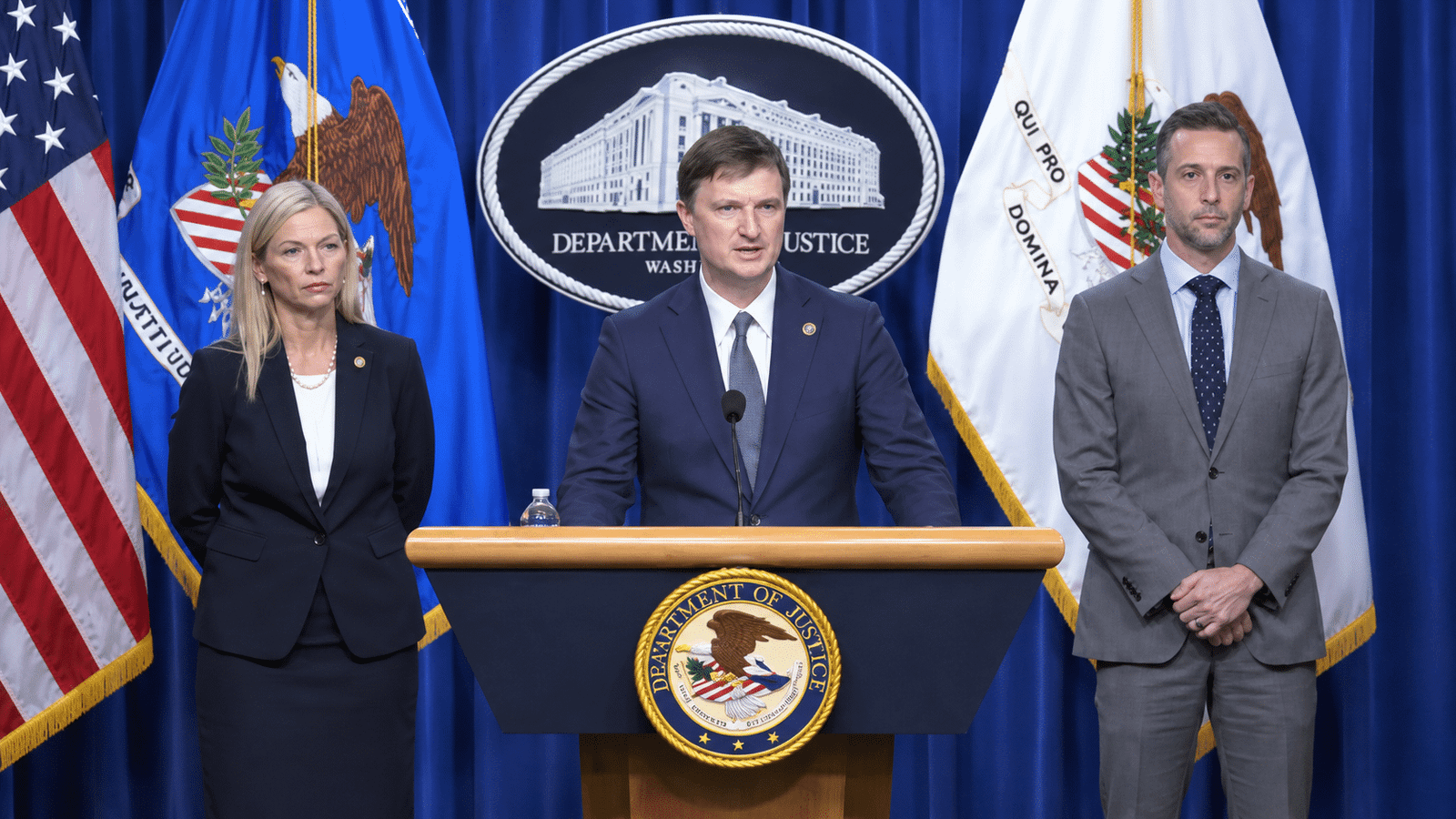
A Utah mail carrier now faces federal charges after allegedly discarding more than 300 mail-in ballots ahead of the state’s June primary election. The Justice Department announced the indictment Tuesday, revealing that former U.S. Postal Service worker Damon Matai Seei allegedly threw the ballots into a church parking lot dumpster instead of delivering them. As a result, hundreds of Eagle Mountain, Utah, residents may have lost their chance to vote.
This article breaks down what prosecutors allege happened, how the case came to light, and what comes next for the Utah mail carrier at the center of the investigation.
Why This Utah Mail Carrier Case Matters
This case matters because it strikes at the heart of election integrity in a state where mail-in voting is the norm. Additionally, it raises serious questions about oversight within the postal system during election season.
- Roughly 95% of Utah voters rely on mail-in ballots to cast their vote.
- Federal officials say affected voters may not have been able to participate in the primary at all.
- The investigation remains ongoing as officials work to identify every impacted voter.
Because of these stakes, the Utah mail carrier case has drawn national attention from election officials and federal prosecutors alike.
What Prosecutors Allege the Utah Mail Carrier Did
The Alleged Incident
According to court documents, Seei was covering a mail route in Eagle Mountain on June 3, 2026, when he was entrusted with delivering mail to more than 300 residents. However, prosecutors allege he separated the ballots from other mail early in his shift and never delivered a single one.
About 90 minutes later, he allegedly drove to a church parking lot that wasn’t part of his route and discarded the ballots, along with other mail, into a dumpster.
His Stated Explanation
Seei told investigators he had no political motive behind his actions. Instead, he said he felt overwhelmed by a heavier-than-usual workload and wanted to “lighten his workload” by tossing out advertisements.
However, prosecutors have pushed back on that explanation, noting that Seei admitted to setting the ballots aside separately at the very start of his shift.
How the Utah Mail Carrier Case Came to Light
Voter Complaints Trigger an Investigation
Several Eagle Mountain residents contacted Utah County Clerk Aaron Davidson after never receiving their mail-in ballots. Therefore, Davidson began digging into county voting data to understand why.
Unusually Low Turnout Raises Red Flags
Davidson discovered remarkably low voter turnout in Utah House District 50, eventually determining that roughly 304 registered voters never received their ballots. As a result, the case moved from a local concern to a full federal investigation involving the USPS Office of Inspector General and Homeland Security Investigations.
Types of Charges Facing the Utah Mail Carrier
The Federal Charge
Seei has been charged with one count of unlawful secretion, destruction, and delay of mail. He was arrested and arraigned in federal court in Salt Lake City, where he entered a not guilty plea.
Ongoing Investigation
Meanwhile, federal officials say the investigation remains active. They plan to contact each affected voter directly to determine whether those residents were ultimately able to cast a ballot through alternative means.
What Happens Next for the Utah Mail Carrier
Upcoming Court Dates
Seei’s next scheduled court appearance is set for November 30. Additionally, he is no longer employed by the Postal Service following the allegations.
Broader Political Context
This case comes amid heightened national attention on mail-in voting security. Earlier this year, the U.S. Supreme Court rejected a separate effort by the Trump administration to impose new Postal Service restrictions on mail-in ballots ahead of the midterm elections, making this Utah mail carrier case one of the more significant ballot-handling incidents to surface this cycle.
Common Mistakes People Make Discussing This Case
Many people jump to conclusions about motive or intent before all the facts are known. However, avoiding a few key mistakes helps ensure accurate reporting on this case.
- Assuming political motive without evidence: Investigators say Seei denied any political agenda.
- Treating allegations as proven fact: Seei has pleaded not guilty, and the case is still ongoing.
- Overlooking the scale of impact: Over 300 residents were potentially affected, not just a handful.
Conclusion
The Utah mail carrier case highlights just how much trust voters place in the mail system during elections, and how quickly that trust can be disrupted. As the investigation continues and Seei’s case moves through federal court, officials continue working to determine exactly how many voters were ultimately affected by this alleged breach of duty.