

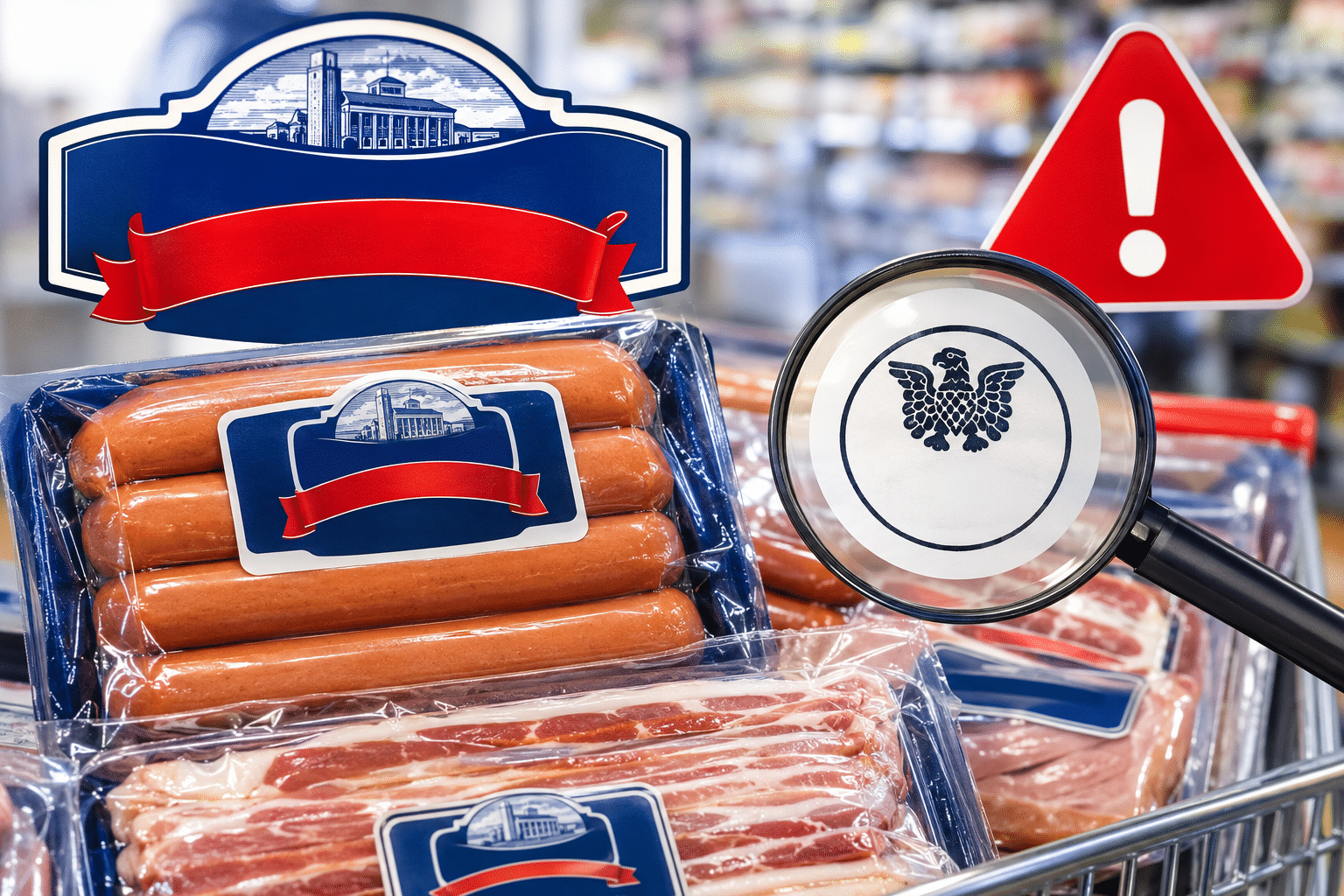
Kayem Foods Meat Recall USDA: 1.58M Pounds Pulled in October 2026
The kayem foods meat recall usda announcement is one of the biggest meat recalls of 2026. Kayem Foods Inc., a Chelsea, Massachusetts company, is recalling about 1,584,361 pounds of ready-to-eat meat and poultry products because they may have experienced temperature abuse during storage. The news broke on October 17, 2026. Therefore, every US household should check the fridge and freezer today.
Kayem Foods Meat Recall USDA: What Happened
The problem started with a warm delivery. A retail customer complained that products arrived warm on October 1. Kayem Foods then investigated. The company found that various products had been stored in a warehouse cooler with temperature deviations.
The company has also shared its own account. Kayem says a cooling system malfunction at one of its warehouses caused the storage temperature changes. As a result, the company chose to recall the products voluntarily.
Key Numbers at a Glance
- Amount recalled: about 1.58 million pounds
- Announced: October 17, 2026
- Production window: March 31, 2026, to October 7, 2026.
- Where sold: retail and food service locations nationwide and in Hong Kong.
Why the Kayem Foods Meat Recall USDA Matters
Size is the first reason. Few recalls reach 1.5 million pounds, so this one stands out. Additionally, the recall carries a Class I designation, which means a reasonable chance of serious health problems or death.
However, there is some good news. FSIS reports no confirmed illnesses linked to the products so far. Still, warm storage lets bacteria grow. Ready-to-eat foods are risky because many people eat them without reheating.
This FSIS Class I recall also affects restaurants, schools and caterers. Consequently, you may eat a recalled item without ever buying it yourself.
How to Check the Kayem Foods Meat Recall USDA Product List
FSIS publishes the full product list as a PDF. Do not rely on brand names alone. Use the codes instead.
Establishment Numbers to Look For
Recalled products carry “EST. M/P 7839,” “EST. P 20935A” or “EST. M 9520” inside the USDA mark of inspection. You will find this mark on the package label. Check it first.
Dates and Lot Codes
Dates differ between sources. FSIS lists production dates from March 31 to October 7. Meanwhile, Kayem’s own notice covers products stored and shipped between June 7 and October 14, 2026. For this reason, always match your package against the official FSIS list. Use the brand, item description, UPC and lot code.
Illness Reports
No illnesses are confirmed. Nevertheless, call your doctor if you ate a recalled item and feel sick. Watch for fever, stomach pain, vomiting and diarrhea.
Types of Products Affected
The recall covers many ready-to-eat meat and poultry items. Reports say it spans several product lines, including hot dogs and bacon. Since the list is long, treat every Kayem item as suspect until you check it.
Retail Products
These are the packages in grocery store coolers. Check hot dogs, sausages, deli meats and bacon. Also look in your freezer, because frozen items can still be part of the recall.
Foodservice Products
Restaurants and cafeterias buy larger packs. If you manage a kitchen, check your inventory right away.
What To Do If You Have Recalled Products
Follow these steps in order:
- Find the USDA mark on the package.
- Match the establishment number, UPC and lot code to the FSIS list.
- Stop eating the product right away.
- Throw it away or return it to the store where you bought it.
- Clean the shelf or drawer where it sat.
- Contact Kayem Foods if you have questions.
Common Mistakes to Avoid
Many people make errors during a recall. Avoid these:
- Cooking it “to be safe.” Heat may not fix every problem caused by temperature abuse.
- Sniffing the food. Dangerous bacteria often have no smell.
- Feeding it to pets. Pets can also get sick.
- Ignoring freezer items. Frozen packages count too.
- Keeping the package. Dispose of it, or return it for a refund.
Smart Food Storage Tips
Good habits lower your risk during any recall. First, keep your fridge at 40°F or below. Second, keep your freezer at 0°F. Third, never leave cooked meat out for more than two hours.
In addition, check your fridge with an appliance thermometer. Finally, sign up for FSIS recall alerts so you hear the news early.
Conclusion
The kayem foods meat recall usda case shows how one cooler failure can affect millions of pounds of food. Check your products, follow the lot codes, and throw away anything that matches. Bookmark the FSIS recall page, because officials may add details soon. Share this guide with family and friends so they can stay safe too.