

South West Water Hosepipe Ban 2026: What You Need to Know
The south west water hosepipe ban is now in force across most of Devon, Cornwall, parts of Dorset and Somerset, and the Isles of Scilly. As a result, millions of households must change how they use water outdoors. This update explains why the ban started, who it affects, and how to stay on the right side of the rules.
Why the South West Water Hosepipe Ban Matters
South West Water introduced the ban after an extended spell of exceptionally low rainfall. Additionally, high demand during warmer weather has pushed rivers and reservoirs to dangerously low levels. The Environment Agency has officially declared drought across half of England, including the South West region.
However, the situation is bigger than one company. According to Water UK, England and Wales recorded their driest July on record, with southern England seeing its driest month since 1836. As a result, several other UK suppliers—including Thames Water, Southern Water, and South East Water—have also introduced their own restrictions this summer.
Key Details of the South West Water Hosepipe Ban
When It Started
The latest, widest phase of the south west water hosepipe ban began at 12:01am on Saturday, 8 August 2026. This followed an earlier, smaller-scale ban introduced in Mid and East Devon on 14 July 2026.
Who Is Affected
The restrictions now apply to customers across:
- Devon
- Cornwall
- Parts of Dorset and Somerset
- The Isles of Scilly
Consequently, this makes it one of the widest hosepipe bans the region has seen in years.
What You Cannot Do
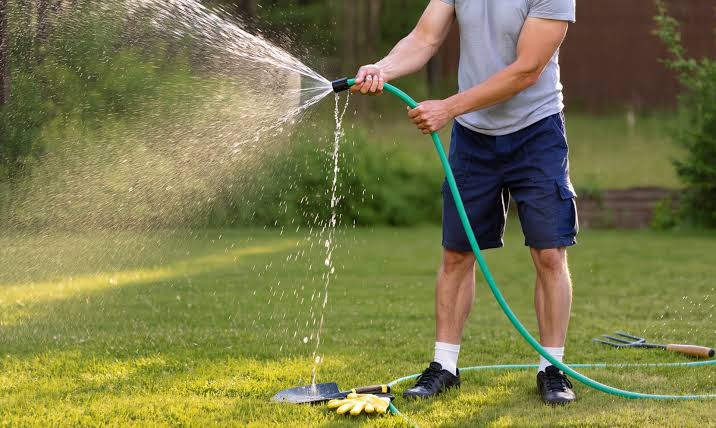
Under the ban, customers must not use a hosepipe for:
- Watering gardens or plants
- Washing cars, boats, patios, or driveways
- Cleaning windows or walls
- Filling swimming pools, paddling pools, or hot tubs
Meanwhile, essential water use is unaffected. You can still use water normally for drinking, cooking, washing, and flushing toilets.
Exemptions to the South West Water Hosepipe Ban
Not everyone is covered by the same rules. For instance, businesses are typically exempt from domestic restrictions, and customers on the Priority Services Register may qualify for extra support. Therefore, it’s worth checking South West Water’s official site if you’re unsure whether an exemption applies to your property.
Common Mistakes to Avoid
Many households unintentionally break hosepipe ban rules. Avoid these common errors:
- Using a hose “just quickly” – even brief use counts as a breach.
- Assuming sprinklers are fine – automatic irrigation systems are also banned.
- Ignoring commercial exemptions – confirm your exact status if you run a business from home.
- Forgetting fines apply – breaching the ban can lead to a fine of up to £1,000.
How to Save Water During the Ban
Since garden watering is off-limits, switch to a watering can filled from a water butt. Additionally, washing your car at a commercial car wash (which recycles water) is a smart, ban-friendly alternative. As a result, you can maintain your garden and vehicle without breaking any rules.
Other simple habits include:
- Fixing dripping taps promptly
- Taking shorter showers
- Reusing kitchen water for houseplants
- Installing a water butt for rainwater collection
How Long Will the Ban Last?
South West Water has not confirmed an end date. However, the company has stated it will lift restrictions “as soon as we can,” depending on rainfall and reservoir recovery. Historically, similar bans in 2022–2023 lasted more than a year before being fully lifted. Therefore, customers should plan for the restrictions to remain in place through much of the autumn, unless significant rainfall returns.
Conclusion
The south west water hosepipe ban reflects a serious, region-wide drought affecting Devon, Cornwall, Dorset, Somerset, and the Isles of Scilly. While the restrictions are inconvenient, they play an important role in protecting rivers and securing essential supplies for homes and businesses. As a result, following the rules—and adopting a few simple water-saving habits—can make a real difference. Check South West Water’s official website regularly for updates, and continue doing your part until the hosepipe ban is lifted.