
Sergey Lavrov UK Comments Spark Backlash Over Kremlin Remarks
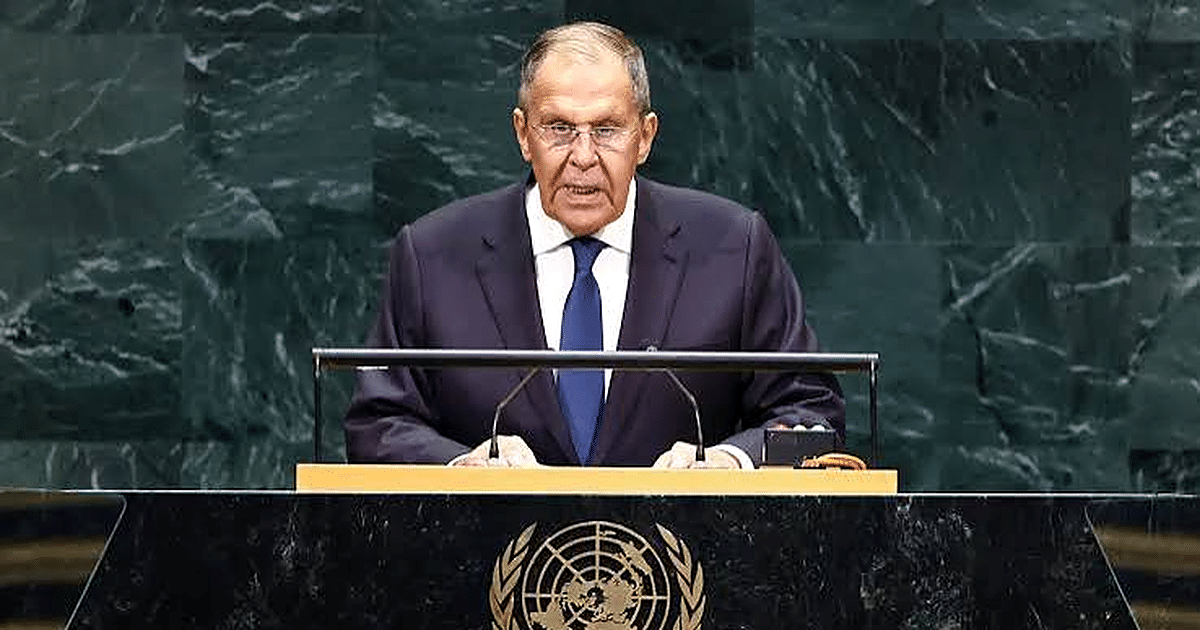
Sergey Lavrov UK comments have drawn sharp criticism after Russia’s foreign minister questioned the country’s future at a youth conference. Speaking on September 28, 2026, Lavrov said he did not know what would become of “the country called Great Britain.” However, the remarks didn’t come out of nowhere. They followed weeks of political developments involving the UK’s devolved nations.
Why Sergey Lavrov UK Comments Matter
This wasn’t a passing remark buried in a long speech. Sergey Lavrov UK comments touched on sensitive constitutional questions that have been building in British politics.
Here’s the context behind the timing:
- The first ministers of Wales, Scotland, and Northern Ireland met earlier in September at a summit in the Senedd.
- They signed an agreement stating that “Westminster’s time is coming to an end.”
- The leaders argued that no UK government has the right to block democratic self-determination.
Additionally, Lavrov’s comments came at a moment when questions about the UN Security Council’s structure were also part of the discussion, giving his remarks a broader geopolitical framing.
What Sergey Lavrov Sergey Lavrov UK Comments Said
According to The Times, Sergey Lavrov UK comments included several specific claims. He stated plainly that he did not know what would become of Great Britain. He also referenced “the Celts,” specifically Wales, Ireland, and Scotland, as nations seeking to hold referenda on their political future.
On the UN Security Council
Lavrov also argued that the West holds too much influence within the UN Security Council, whose five permanent members are China, France, Russia, the UK, and the US. He suggested Britain had “diminished to the utmost degree” since first taking its Security Council seat in 1945, contrasting that moment with the scale of the British Empire at the time.
A Clarification on Intentions
However, Lavrov also added a notable caveat. He said Russia does not advocate for the expulsion of any permanent Security Council member, which softened the broader implication of his remarks about the UK’s global standing.
How the UK Responded
Reaction to Sergey Lavrov UK comments came quickly from multiple directions, reflecting how seriously the remarks were taken.
Plaid Cymru’s Response
A Plaid Cymru spokesperson pushed back firmly, stating that Wales’ constitutional future is “a matter for the people of Wales” and “not for the Kremlin to endorse, oppose or exploit.” The party also described Russia as an “existential threat to modern democracy.”
The UK Government’s Response
A spokesperson for Prime Minister Andy Burnham responded more measuredly, saying the UK works best “when people come together.” As a result, the government’s reaction avoided direct confrontation while still pushing back on the underlying premise of Lavrov’s remarks.
The Devolved Nations’ Own Position
It’s worth understanding what the Welsh, Scottish, and Northern Irish leaders actually agreed to at their earlier summit, since Lavrov referenced it directly.
According to reports, the three leaders stated:
- No Westminster government has the right to block democracy.
- Each nation will determine its own future in its own way and time.
- Their parties hold different constitutional positions, but share a commitment to self-determination.
Consequently, their agreement was framed around democratic principle rather than any specific timeline for independence votes.
Broader Context: Lavrov’s Past UK Remarks
This isn’t an isolated incident. Lavrov has made similar comments about the UK’s declining global standing before. In November 2025, he said the UK had “lost its empire, economic and military power” while discussing an unrelated MiG-31 incident, and accused UK media of running an “information campaign” against Russia. Therefore, this latest commentary fits a broader pattern rather than a one-off statement.
Common Questions About Sergey Lavrov UK Comments
What exactly did Lavrov say about the UK?
He said he did not know what would become of Great Britain, citing independence movements among Wales, Scotland, and Ireland.
Did the UK government respond directly?
A spokesperson for PM Andy Burnham responded, emphasizing that the UK works best when people come together.
Is this connected to a specific UK political event?
Yes, it followed a summit where Welsh, Scottish, and Northern Irish leaders signed an agreement on self-determination.
Common Mistakes to Avoid
- Don’t assume Lavrov called for the UK’s removal from the UN Security Council; he explicitly said Russia doesn’t advocate for that.
- Don’t conflate the devolved nations’ own agreement with an actual independence declaration; it addressed democratic principle, not a specific referendum date.
- Don’t treat this as an isolated comment; Lavrov has made similar remarks about UK decline in the past.
Conclusion
Sergey Lavrov UK comments have added an unexpected international dimension to an already sensitive domestic conversation about devolution and self-determination in the UK. While Plaid Cymru responded forcefully and the UK government took a more measured tone, the episode highlights how domestic political developments can quickly become material for international commentary. As discussions around devolved nations’ futures continue, expect this kind of cross-border reaction to remain part of the story.