
Shabana Mahmood ILR Reforms Softened After Cabinet Clash
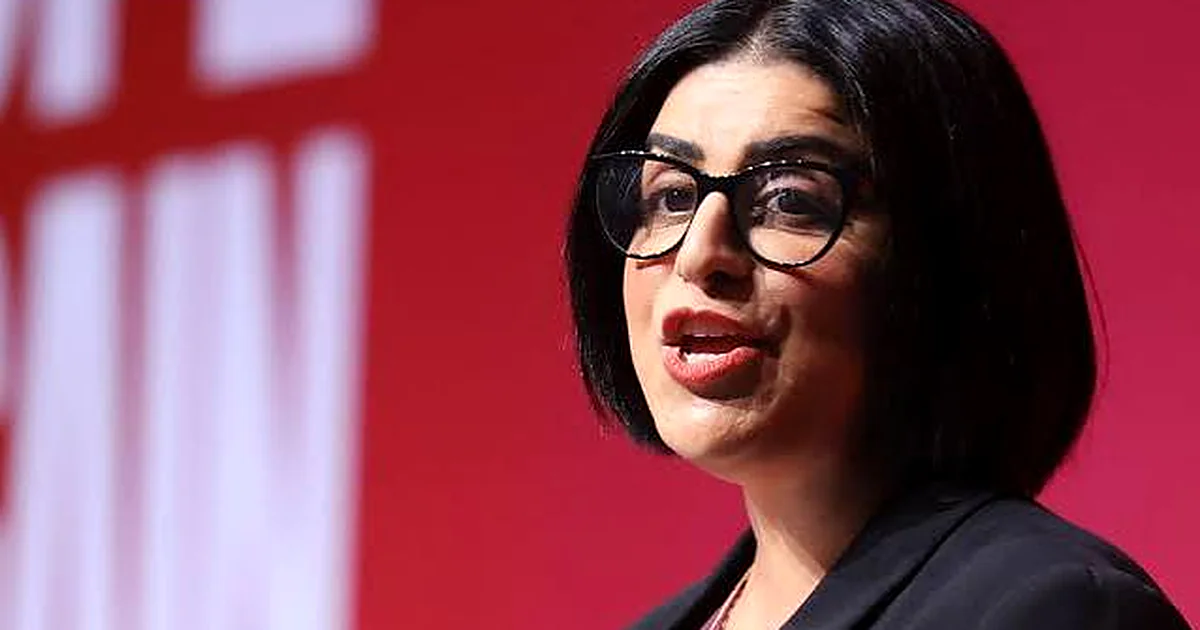
The Shabana Mahmood ILR reforms are being scaled back after days of open conflict within the Labour Party. The Home Secretary signaled the change during her speech at Labour’s party conference in Liverpool this week. However, the retreat comes only after a public dispute with Cabinet colleague Angela Rayner, who had criticized the original plans as “un-British.”
Why the Shabana Mahmood ILR Reforms Sparked Controversy
At the center of this story is a policy change that would affect hundreds of thousands of people already living in the UK. The Shabana Mahmood ILR reforms were originally built around what the government calls an “earned settlement” model.
Here’s what the original proposal included:
- The standard qualifying period for indefinite leave to remain (ILR) would double from five to 10 years for most economic migrants.
- Migrants would need to make social security contributions, maintain a clean criminal record, and avoid claiming benefits.
- Applicants would also need to demonstrate high-level English proficiency and community volunteering.
Additionally, the Home Office argued the changes were necessary to prevent what officials described as a coming “settlement surge,” forecasting that 1.6 million people could gain settlement rights between 2026 and 2030, with a peak of 450,000 in 2028 alone.
The Cabinet Split Over Shabana Mahmood’s ILR Reforms
Angela Rayner’s Criticism
Angela Rayner broke ranks publicly on the eve of the Labour conference, warning that the reforms would unfairly “move the goalposts” for foreign workers already living in the UK. She specifically criticized the plan to apply the changes retroactively to migrants who had already believed they were on a five-year path to settlement.
Prime Minister Andy Burnham’s Response
As the dispute escalated, Prime Minister Andy Burnham sought to downplay the rift. He told LBC, “I’m Team Angela and Shabana,” while declining to fully endorse Rayner’s “un-British” characterization. Instead, he said the government needed to “strike the right balance.”
Consequently, the disagreement became one of the more visible cabinet splits of Labour’s time in government, playing out publicly just as the party’s conference began.
What’s Changing in the Shabana Mahmood ILR Reforms
Care Worker Concessions
One of the most significant shifts involves foreign care workers. Reports indicate the original proposal would have extended the qualifying period to as long as 15 years for this group specifically. Mahmood acknowledged this could be seen as unfair to those who moved to the UK specifically to work in social care.
A More Balanced Approach
In her conference speech, Mahmood said: “I know that, throughout our consultation process, some have said elements of these reforms are not fair.” She added that she wants the policy to “come to a position that balances fairness,” signaling a softer approach than originally proposed.
However, the precise final shape of the settlement regime remains unresolved as of this report.
New Safe and Legal Migration Routes
Alongside the reforms to ILR, Shabana Mahmood also announced an expansion of safe and legal migration routes during her conference speech. This includes a new fast-tracked settlement pathway for particularly vulnerable refugees.
As a result, the government is positioning this as a companion policy to the ILR changes, focused on:
- Afghan women and girls
- Palestinians fleeing Gaza
- Other vulnerable populations identified through the scheme
The first arrivals under these new routes are expected in autumn 2027, according to reports from the conference.
A Personal Dimension to the Debate
During her speech, Mahmood also referenced her own family’s migration story, adding a personal note to a policy debate that has become increasingly heated within her party. She reportedly warned that “when this country feels unfair, people turn inwards,” framing the reforms as an attempt to maintain public confidence in the immigration system.
The Political Backdrop
It’s worth understanding why this policy shift is happening now. The Shabana Mahmood ILR reforms were originally unveiled amid rising competition from Nigel Farage’s Reform UK party, which has proposed scrapping indefinite leave to remain entirely in favor of five-year renewable work visas. Therefore, Labour’s original hardline stance was widely seen as an attempt to address voter concerns about immigration ahead of future elections.
However, the internal backlash suggests the party remains divided over how far those changes should go, with unions and some MPs pushing back throughout the consultation process.
Common Questions About the Shabana Mahmood ILR Reforms
What was the original ILR qualifying period proposal?
The plan would have doubled the standard period from five to 10 years, with even longer waits for some groups.
Why did Angela Rayner criticize the reforms?
She argued they would unfairly apply new rules retroactively to migrants who believed they were already on a five-year path to settlement.
Has the government confirmed final details?
Not yet. As of this report, Mahmood has signaled a softened approach, but the exact final policy remains unresolved.
Common Mistakes to Avoid
- Don’t assume the reforms have been scrapped entirely — Mahmood has signaled softening, not full withdrawal.
- Don’t confuse the care worker concessions with changes to the broader economic migrant qualifying period; they’ve been discussed somewhat separately.
- Don’t overlook the new safe and legal routes announcement, which is a distinct policy from the ILR qualifying period changes.
Conclusion
The Shabana Mahmood ILR reforms highlight the ongoing tension within Labour over how to balance a tougher stance on immigration with concerns about fairness for migrants already living in the UK. With Angela Rayner’s public criticism forcing a partial retreat and the final policy still taking shape, this remains a developing story likely to generate continued debate within the party. Readers following UK immigration policy should watch for the government’s formal consultation outcome in the coming months.