
Fighter Aircraft 2026: What’s Changing in Global Air Power
The world of fighter aircraft is moving fast in 2026. From sixth-generation prototypes to AI-piloted test flights, nations are racing to modernize their air forces. This week’s Farnborough International Airshow made that race clear to everyone watching.
As a result, defense budgets, alliances, and technology are all shifting at once. Here’s what’s actually happening right now, and why it matters to readers everywhere.
Why Fighter Aircraft Development Matters Today
Modern fighter aren’t just fast jets. They shape national security, trade relationships, and even diplomatic alliances. Additionally, every new program signals which countries are investing in long-term military strength.
For example, Canada recently joined the UK-Italy-Japan Global Combat Air Programme (GCAP) as an observer. This move marks the first expansion beyond the founding members. Consequently, it shows how allied nations are pooling resources instead of building alone.
Key Developments in Fighter Aircraft This Year
Sixth-Generation Programs Accelerate
The UK’s Ministry of Defense extended a contract with BAE Systems to push forward critical technologies for its Future Combat Air System. This directly supports GCAP, the multinational stealth aircraft program involving Britain, Italy, and Japan.
Meanwhile, China’s unofficially designated J-36 has appeared in fresh footage, possibly showing a fifth prototype. Analysts believe Chengdu Aircraft Corporation is still fine-tuning intake and exhaust designs. However, no official confirmation exists yet.
Artificial Intelligence Enters the Cockpit
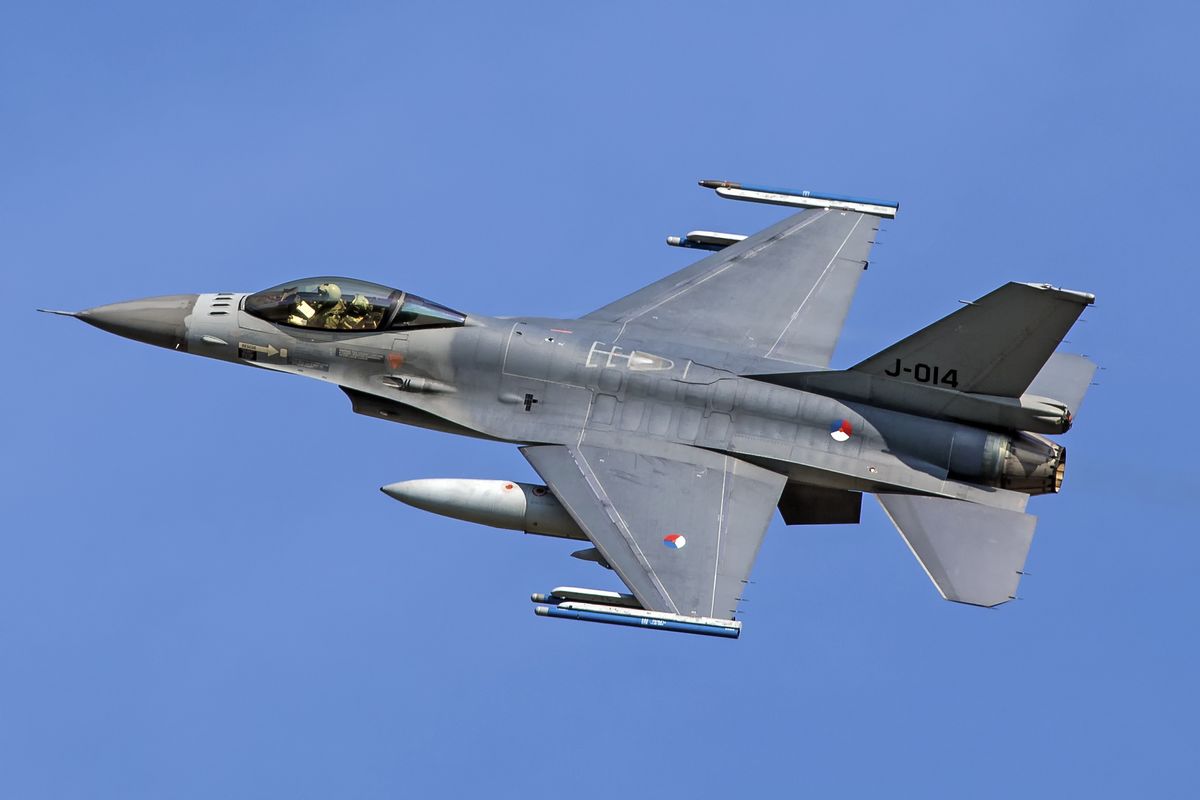
In a historic milestone, the U.S. Air Force successfully flew an AI-controlled F-16 under its VENOM program. A human pilot supervised the flight, but the AI handled real combat maneuvers. This step brings manned-unmanned teaming much closer to reality.
Training and Support Aircraft Also Matter
- BAE Systems, Boeing, and Saab proposed a UK-built T-7 trainer to replace the RAF’s aging Hawk fleet.
- Greece approved a large procurement deal for new transport aircraft.
- Indonesia signed a contract for M-346 trainer jets.
These programs support aircraft operations by building skilled pilots and reliable logistics.
Types of Fighter Aircraft Shaping 2026
Fourth and Fifth-Generation Jets
Aircraft like the F-16 and F-35 remain the backbone of many air forces. Therefore, upgrades such as VENOM’s AI systems keep older platforms relevant longer.
Sixth-Generation Prototypes
Programs like GCAP and China’s J-36 represent the next leap. These designs focus on stealth, range, and networked combat systems.
How Nations Choose the Right Fighter Aircraft
Governments weigh several factors before selecting a aircraft program:
- Cost and long-term sustainment — Multinational programs like GCAP split expenses across partners.
- Technology sharing — Alliances reduce dependence on any single supplier.
- Mission needs — Air superiority, strike, or training roles all demand different designs.
As a result, decisions often reflect political relationships as much as technical specs.
Common Mistakes to Avoid When Following Fighter Aircraft News
- Don’t assume unofficial images confirm a new aircraft’s status; China’s J-36 sightings still lack government confirmation.
- Avoid treating prototype announcements as proof of operational readiness.
- Don’t overlook support aircraft, since trainers and refuelers directly affect aircraft performance.
Keeping Up with Fighter Aircraft Programs
Staying informed requires checking verified defense sources regularly. Additionally, following major airshows like Farnborough offers reliable, firsthand updates on new aircraft technology.
Conclusion
2026 is proving to be a pivotal year for aircraft development worldwide. From GCAP’s growing partnership to AI-flown F-16s, the pace of change is remarkable. However, staying informed helps you understand what these shifts mean for global security. Keep following trusted defense news sources to track the next chapter in fighter innovation.
Frequently Asked Questions About Fighter Aircraft
What is a fighter aircraft?
A fighter is a military plane designed mainly for air-to-air combat. However, many modern fighter aircraft also handle ground-strike and reconnaissance missions.
What is the most advanced fighter aircraft in 2026?
Sixth-generation programs like the UK-Italy-Japan-Canada GCAP and China’s J-36 prototype are currently the most advanced fighter aircraft under development. Additionally, upgraded fifth-generation jets like the F-35 remain highly capable.
What is the difference between fifth-generation and sixth-generation fighter aircraft?
Fifth-generation aircraft, such as the F-35, focus on stealth and sensor fusion. Sixth-generation fighter aircraft, however, add AI teaming, longer range, and networked combat systems.
Can AI fly a fighter aircraft?
Yes. The U.S. Air Force’s VENOM program recently flew an AI-controlled F-16 fighter aircraft with a human pilot supervising. As a result, this brings manned-unmanned teaming closer to real combat use.
Which countries are developing new aircraft together?
The UK, Italy, Japan, and now Canada are jointly developing the GCAP fighter aircraft. Meanwhile, other nations like China and the United States continue separate sixth-generation programs.
Why do fighter programs cost so much?
Fighter aircraft require advanced stealth materials, engines, and software, which drives up development costs. Consequently, many countries now share expenses through multinational partnerships like GCAP.