

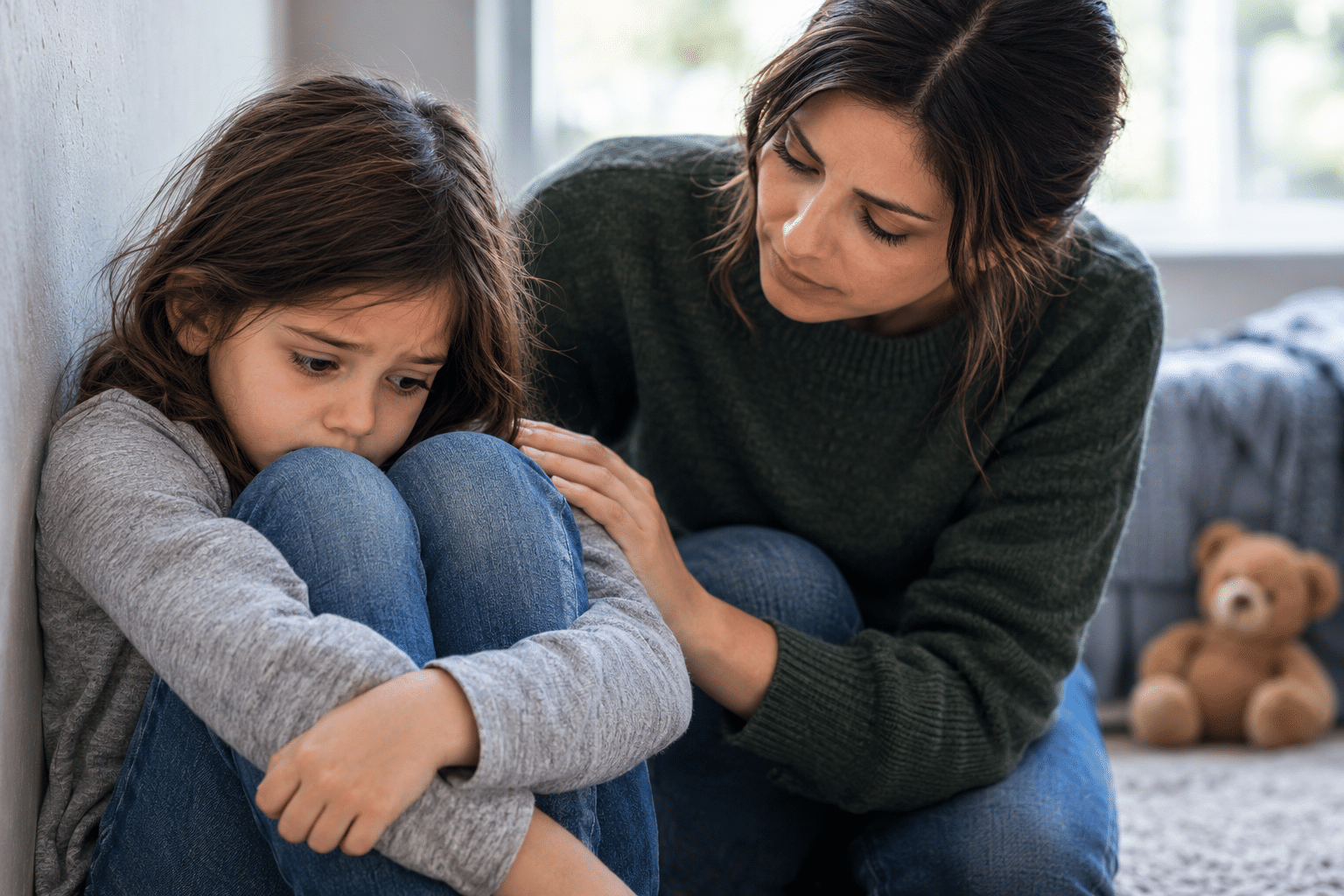
Child Neglect in 2026: Signs, Causes, and How to Help
Child neglect is back in the headlines this October. Cases from the US, Africa, and Asia show how often children go without basic care. However, many cases never reach the news, so every reader can help.
This guide explains the latest updates, the warning signs, and the steps you can take today.
Latest Child Neglect News Today
Recent reports show that neglect cases happen everywhere. A Grand Forks woman was charged with neglect and abuse after an infant was found in unsafe conditions on October 9, 2026. Meanwhile, police in Hong Kong arrested a couple for allegedly leaving their eight-year-old son alone at home.
Additionally, a Texas mother was arrested in August after her 6-year-old was found alone at a Florida park. In Kenya, a mother pleaded guilty to neglect and said she had no place to live.
These cases look different. Nevertheless, each one shows a child who lacked care and safety.
Why Child Neglect Matters
Neglect is the most common form of child maltreatment in many countries. It is also easy to miss because it often leaves no bruises. As a result, children suffer in silence for years.
The effects of child neglect can last a lifetime. Affected children may face:
- Delayed speech and learning
- Anxiety, depression, and trust problems
- Poor physical health
- Higher risk of school failure and later abuse
Early help can change this path. Therefore, awareness matters for every community.
Key Factors Behind Child Neglect
Neglect rarely comes from one cause. Instead, several pressures often combine.
Poverty and Unstable Housing
Families that cannot afford food, rent, or childcare struggle to meet basic needs. In some cases, a parent without a home cannot provide a safe place to sleep. Support, not only punishment, often works better here.
Substance Use
Alcohol and drug use can pull a parent’s attention away from a child. Consequently, meals, bedtime, and safety may be forgotten.
Mental Health and Isolation
Depression and stress can leave a parent unable to cope. Additionally, parents without family or friends nearby often lack help in a crisis.
Types of Child Neglect
Experts group neglect into several categories. Knowing them helps you spot problems sooner. For a deeper look, see this [internal link: guide to child protection basics].
Physical Neglect
This means failing to give food, clothing, shelter, or hygiene. A child may look hungry or wear the same dirty clothes daily.
Supervisory Neglect
This happens when adults leave a child alone for too long or in unsafe places. For example, a young child at a park at night is at risk.
Emotional Neglect
Here, a caregiver ignores a child’s need for love and attention. Because the harm is invisible, it often goes unnoticed.
Medical and Educational Neglect
This includes skipping doctor visits, ignoring illness, or keeping a child out of school without good reason.
Signs of Child Neglect to Watch For
Spotting the signs of child neglect early can protect a child. However, one sign alone does not prove neglect. Look for patterns over time.
- Constant hunger or weight loss
- Poor hygiene or unwashed clothes
- Frequent school absences
- Untreated injuries or illness
- Being left alone often
- Withdrawn or fearful behavior
How to Report Child Neglect: A Simple Decision Guide
Many people stay quiet because they feel unsure. Still, you do not need proof. You only need a reasonable concern.
Follow these steps:
- Check for danger. If a child is in immediate danger, call your local emergency number first.
- Write down facts. Note dates, times, and what you saw.
- Contact the right agency. In the US, call the Childhelp National Child Abuse Hotline at 1-800-422-4453 or your state child protective services. Elsewhere, use your national child helpline.
- Share what you know. Stick to facts, not guesses.
- Follow up if needed. Call again if the situation continues.
Most countries have child neglect laws that protect people who report in good faith.
Common Mistakes to Avoid
Good intentions can still cause problems. Avoid these errors:
- Waiting for proof. Delays can put a child at greater risk.
- Confronting the parent alone. This may escalate danger.
- Assuming poverty equals neglect. Often, families need help, not blame.
- Ignoring emotional signs. Silent suffering still counts.
- Posting about the child online. This can harm the child’s privacy and safety.
Prevention and Support Tips
Prevention works best when communities act early. Consider these actions:
- Offer to babysit or share meals with a struggling neighbor.
- Support local food banks and parenting programs.
- Teach children who to tell if they feel unsafe.
- Encourage parents to seek mental health or addiction help.
Additionally, schools and doctors play a key role. They see children often and can notice changes quickly.
Final Thoughts
Child neglect affects millions of children, and the latest news proves it is far from rare. However, informed adults can make a real difference. Learn the signs, trust your instincts, and report concerns early.