

FAA Ground Stop 2026: What Caused Today’s Northeast Travel Chaos
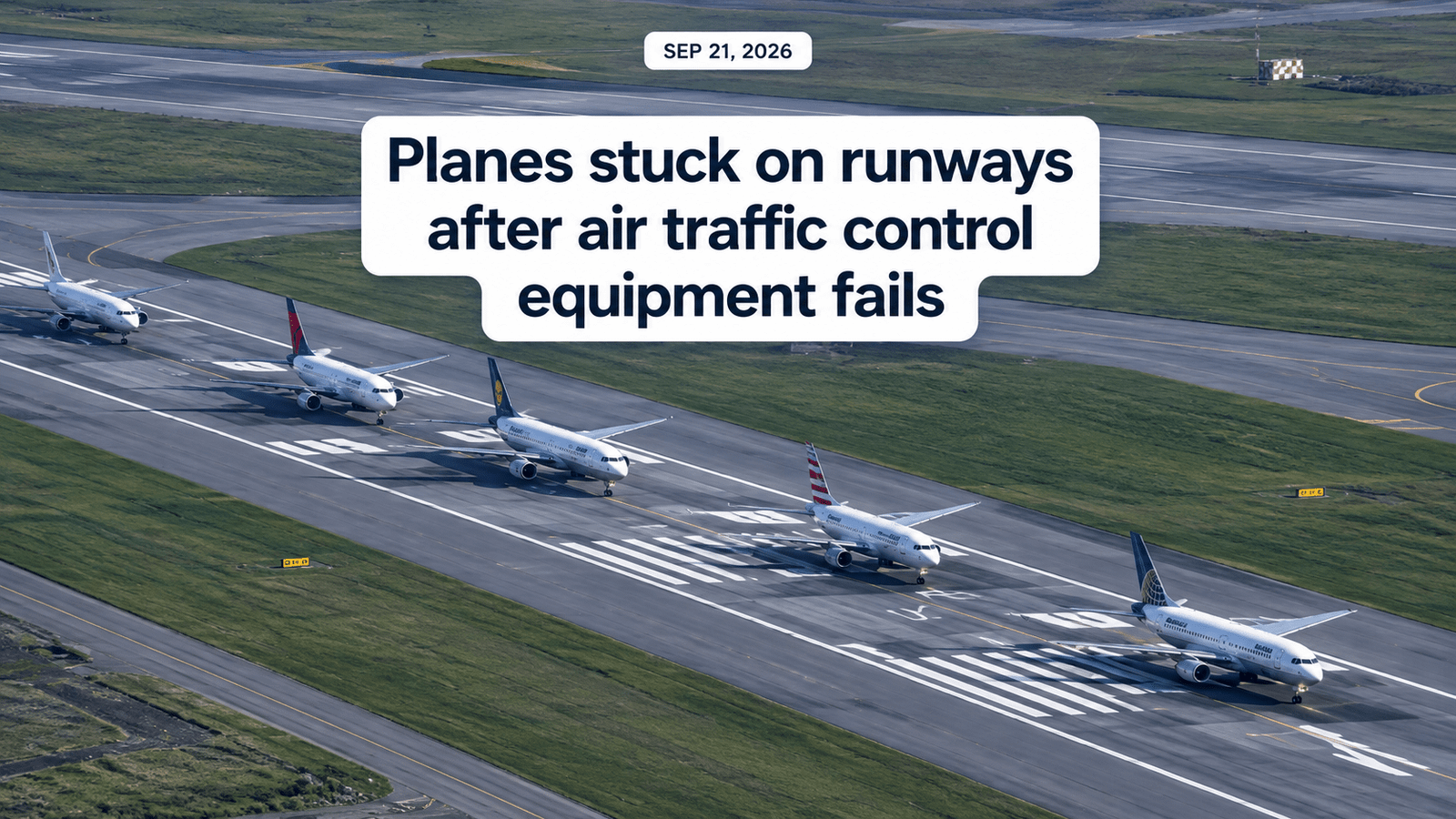
An FAA ground stop brought air travel across the Northeast to a standstill on Monday, September 21, 2026. The disruption began after a construction crew accidentally severed a Verizon fiber line in New Jersey, knocking out a critical air traffic control system. As a result, thousands of travelers faced canceled flights, long delays, and unexpected diversions throughout the day.
This article breaks down exactly what triggered today’s FAA ground stop, which airports were affected, and when normal operations finally resumed.
Why This FAA Ground Stop Matters
This disruption matters because it hit some of the busiest airports in the country during an especially high-traffic week. Additionally, it happened while roughly 130 world leaders were arriving in New York for the United Nations General Assembly.
- The outage originated at a single facility but rippled across five major airports.
- It disrupted travel for passengers connecting through some of the nation’s busiest hubs.
- It highlighted ongoing vulnerabilities in the FAA’s telecommunications infrastructure.
Because of the scale of the disruption, today’s FAA ground stop quickly became one of the biggest aviation stories of the year. (Internal link placeholder: /flight-delay-tracker-2026)
What Caused the FAA Ground Stop
The Fiber Cable Incident
According to FAA Administrator Bryan Bedford, the primary circuit at the Philadelphia TRACON facility failed early Monday morning. This facility controls air traffic heading into Newark, Teterboro, and Philadelphia airports.
However, when controllers tried switching to the backup line, they discovered it had also been cut. Transportation Secretary Sean Duffy explained that an Amtrak construction crew accidentally severed the Verizon fiber line while working on a project between New Brunswick and North Brunswick, New Jersey.
Verizon’s Response
Verizon confirmed its facilities were fully functional right up until the cable was cut. As a result, responsibility for the incident quickly became a point of dispute between Amtrak, the construction contractor, and utility marking accuracy at the site.
Airports Affected by the FAA Ground Stop
Newark Liberty International Airport
Newark saw the earliest and heaviest impact from the FAA ground stop. The airport recorded 92 cancellations and nearly 70 diversions as delays stretched well into the evening.
New York’s JFK and LaGuardia
The ground stop expanded to both JFK and LaGuardia as the outage worsened. Consequently, flights from more than a dozen regions, including Chicago, Atlanta, and Toronto, were held at their origin airports.
Boston Logan International Airport
Boston Logan also felt the effects, though its restrictions stemmed largely from spillover volume rather than the direct equipment failure. A Logan Airport spokesperson confirmed the facility was “getting a lot of diversions from impacted airports.”
Timeline of Today’s FAA Ground Stop
- 9:45 a.m. ET — Construction crew accidentally cuts the Verizon fiber line in New Jersey.
- Morning — Ground stops begin at Newark, Teterboro, and Philadelphia.
- Midday — Restrictions expand to JFK and LaGuardia as backlogs grow.
- Afternoon — Crews attempt a temporary circuit fix, which initially fails.
- Around 6 p.m. ET — Duffy confirms telecom lines are repaired and operations resume nationwide.
However, officials warned that residual delays would likely continue as airports worked through the backlog of canceled and rescheduled flights.
Common Mistakes Travelers Make During an FAA Ground Stop
Many passengers make avoidable mistakes during major disruptions like today’s FAA ground stop. Avoiding these missteps can save significant time and stress.
- Heading to the airport without checking flight status first: Always confirm your flight status before leaving home.
- Assuming all airports are equally affected: Some airports, like Philadelphia, resumed operations faster than others.
- Not rebooking proactively: Waiting too long to contact your airline can mean losing better rebooking options.
How to Stay Prepared for Future Disruptions
Additionally, travelers can protect themselves from future incidents like this one by taking a few simple precautions:
- Sign up for real-time flight alerts through your airline’s app.
- Build extra buffer time into connecting itineraries during high-traffic travel periods.
- Monitor FAA advisories directly for the most accurate, real-time updates.
Conclusion
Today’s FAA ground stop exposed just how quickly a single infrastructure failure can disrupt air travel across an entire region. From Newark to Boston, thousands of passengers felt the ripple effects of one severed fiber cable. As investigations continue into how the Verizon line was damaged, travelers should stay alert for updates whenever a future FAA ground stop threatens holiday or peak travel periods.