

Emergency Supply Guide
Recent official announcements from the UK Cabinet Office urge British households to prepare for unforeseen national disruptions. As part of the government’s National Resilience campaign, ministers advise every household to stock up on food uk families can rely on during severe weather, power outages, or supply chain shocks. Building a modest, 3-to-7-day emergency store ensures your family remains safe and nourished when local services stall. Consequently, understanding how to manage your pantry correctly has become an essential life skill for modern living in the United Kingdom.
Why Building a Household Food Reserve Matters
Emergency planning protects your family against sudden infrastructure failures, extreme flooding, or unexpected winter power cuts. Additionally, having immediate access to nutritious groceries reduces stress when bad weather prevents travel to supermarkets.
When millions of citizens choose to stock up on food uk wide in a controlled, gradual manner, it stops panic buying during crisis moments. Furthermore, self-reliant households allow emergency responders to focus their critical assistance on vulnerable community members.
Key Factors to Consider Before You Stock Up on Food UK
Before purchasing extra groceries, you must evaluate specific household needs to create a functional reserve.
Caloric and Nutritional Needs
Choose food items that offer high energy, healthy fats, and protein. Tinned meats, fish, beans, and lentils provide essential nutrients without requiring refrigeration.
Storage Conditions and Shelf Life
Store your items in a cool, dark, and dry cupboard. Always check expiration dates and opt for canned or vacuum-sealed goods that remain fresh for several years.
No-Cook Cooking Limitations
Power outages eliminate electric stoves and microwaves. Therefore, select ready-to-eat meals or foods that require minimal hot water from a gas kettle or camping stove.
Essential Categories for Your Emergency Food Store
A complete uk emergency food stockpile relies on balancing several core food groups to maintain proper nutrition.
Shelf-Stable Proteins and Meals
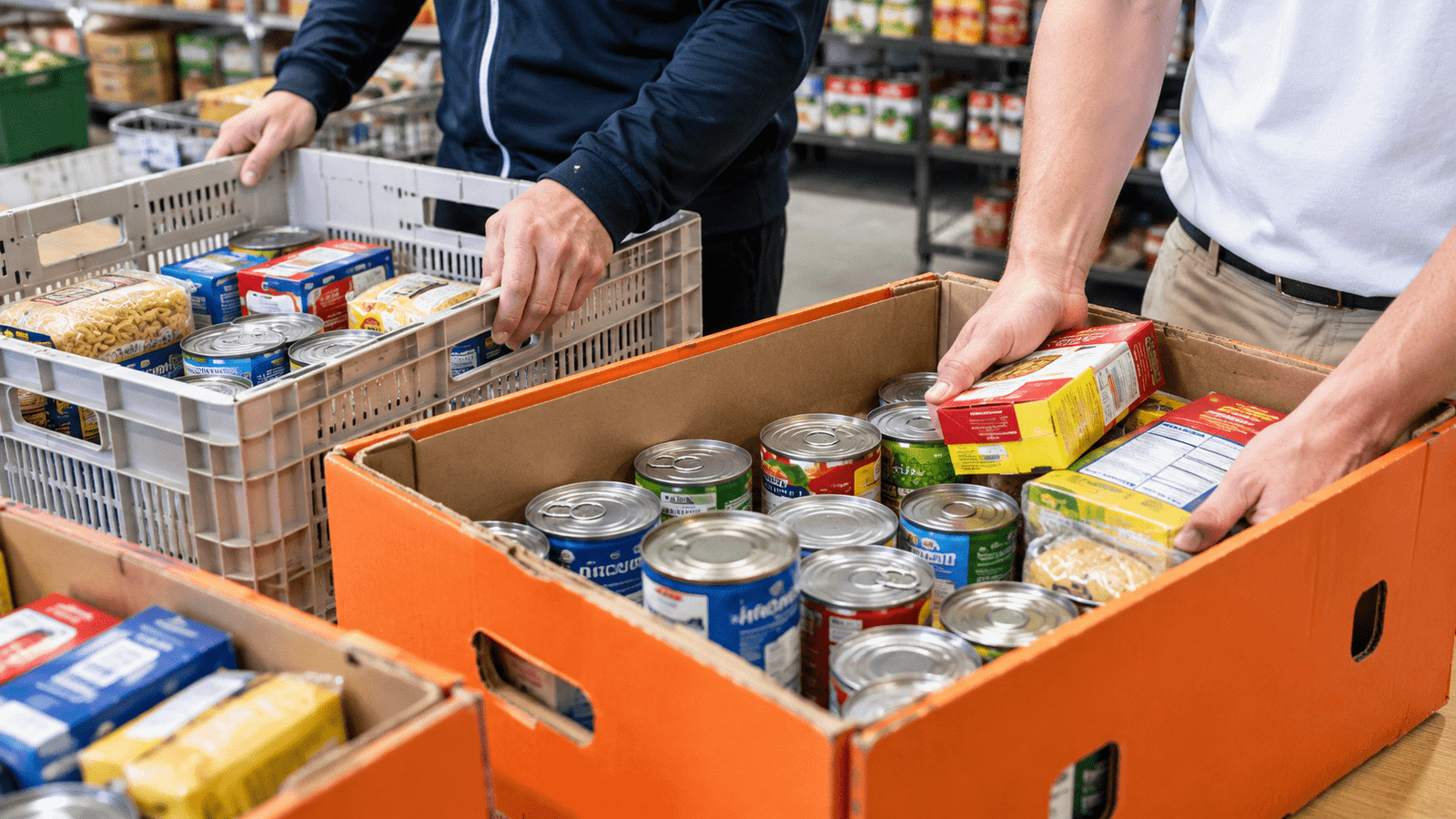
- Tinned Fish and Meat: Tuna, salmon, mackerel, corned beef, and canned chicken.
- Plant Proteins: Baked beans, chickpeas, kidney beans, and canned lentils.
- Pre-made Canned Dishes: Soups, vegetable stews, chili, and curry pots.
Carbohydrates and Energy Staples
- Dry Grains: White rice, pasta, couscous, and rolled oats.
- Long-Life Bread Substitutes: Crackers, oatcakes, crispbreads, and vacuum-packed part-baked loaves.
Water and Hydration Essentials
Store at least 2.5 to 3 litres of drinking water per person per day. Additionally, keep long-life UHT milk, tea bags, instant coffee, and fruit juices on your non perishable food list uk pantry checklist.
Practical Buying and Decision Guide
Building your reserve does not mean clearing supermarket shelves overnight. Instead, apply these simple buying steps:
- Add Gradually: Buy two extra canned items during your normal weekly shopping trip.
- Buy What You Eat: Only purchase items your family regularly consumes to avoid food waste.
- Check the GOV.UK Prepare Website: Follow the latest official for updated advice on domestic safety.
Common Stockpiling Mistakes to Avoid
Many beginners make critical mistakes when attempting to stock up on food uk supplies for the first time:
- Forgetting a Manual Can Opener: Tinned food is useless during a power outage if you cannot open the cans.
- Ignoring Dietary Restrictions: Ensure you purchase gluten-free, dairy-free, or baby-friendly items if family members require them.
- Overloading on Salt: Highly salted foods increase thirst, which drains your stored drinking water supplies faster.
Rotation and Maintenance Tips for Long-Term Storage
Maintaining your emergency pantry requires minimal effort if you establish routine habits:
- Use the FIFO Method: Practicing “First In, First Out” ensures you move older tins to the front of your cupboard and place new items at the back.
- Seasonal Inspections: Inspect your stored goods twice a year, such as when the clocks change in spring and autumn.
- Keep Extra Household Hygiene: Store extra toilet paper, wet wipes, hand sanitiser, and basic first-aid items alongside your long life pantry staples.
Conclusion
Taking the time to stock up on food uk households need is a sensible, proactive decision for every family. By following government guidance and building a balanced 3-to-7-day reserve, you protect your home against unexpected national disruptions. Start small today by adding a few non-perishable tins to your next grocery shop, and review your home readiness checklist on the official.