
Why You Should Store Water and Tinned Food in 2026
Storms, floods, and power outages are hitting harder every year. As a result, more households are learning to store water and tinned food before an emergency strikes, not after. This guide breaks down exactly how much to store, what to buy, and the mistakes to avoid.
Whether you live in a hurricane zone, a flood-prone city, or simply want peace of mind, this article gives you a clear, no-nonsense plan you can start today.
Why It Matters: The Real Benefits of Emergency Preparedness
Disasters rarely give a warning. A burst water main, a winter storm, or a tropical system can knock out clean water and grocery access within hours. However, when you store water and tinned food ahead of time, you protect your family from unnecessary panic and risk.
Here’s why this simple habit matters:
- Health protection – Clean water prevents dehydration and illness.
- Financial safety – You avoid overpaying during panic-buying rushes.
- Peace of mind – You’re not scrambling when stores run out of supplies.
- Community resilience – Prepared households ease pressure on emergency services.
Additionally, agencies like FEMA and the American Red Cross consistently recommend that families keep at least a three-day emergency supply on hand, though a two-week supply is safer if space allows.
Key Factors to Consider Before You Store Water and Tinned Food
How Much Water You Actually Need
A good rule of thumb is one gallon of water per person, per day. This covers drinking, basic hygiene, and food preparation. Hot climates, pregnant women, and sick individuals need more, so plan accordingly.
Choosing the Right Containers
Not all containers are safe for long-term storage. Use only:
- Food-grade plastic containers or drums
- Thoroughly cleaned glass or enamel-lined metal containers
- Never containers that previously held chemicals or fuel
Where to Store Your Supplies
Store your emergency water and food in a cool, dark, dry location, ideally between 40°F and 70°F. Furthermore, keep supplies above potential flood levels and away from gasoline, paint, or cleaning products, since these can contaminate food and water over time.
Types of Emergency Food and Water Supplies to Consider
Water Storage Options
- Commercially bottled water – Easiest option, sealed and ready to use.
- Food-grade water containers – Refillable and cost-effective long term.
- Water purification tablets or filters – A backup if stored water runs low.
Tinned and Shelf-Stable Food Options
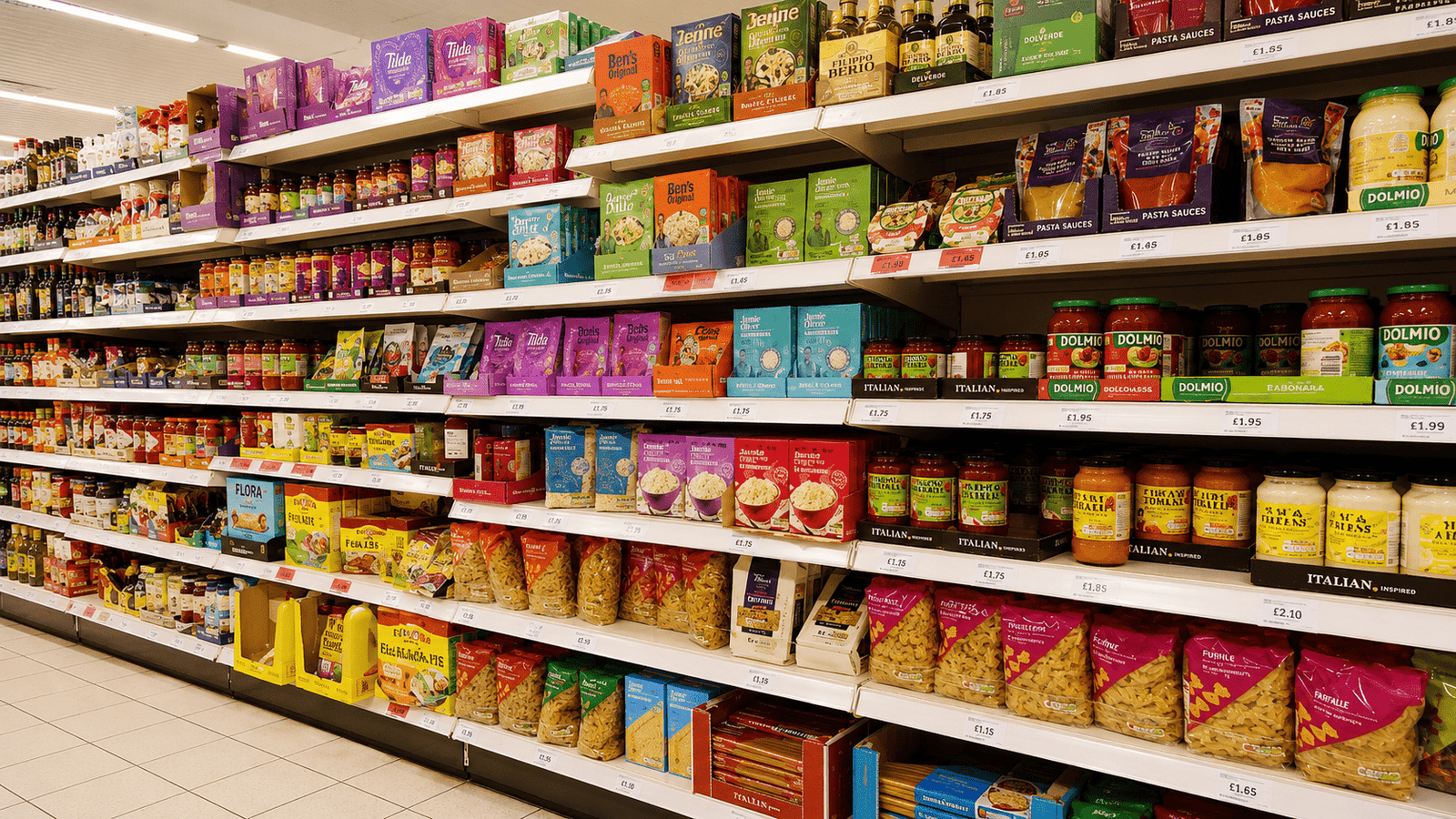
When you store water and tinned food together, aim for variety so meals stay balanced. Good choices include:
- Canned vegetables, fruits, and beans
- Canned meats, tuna, and soups
- Peanut butter, crackers, and dried fruit
- Powdered milk and shelf-stable juice boxes
As a result, your household gets protein, fiber, and nutrients even without refrigeration or cooking access.
Buying and Decision Guide: What to Prioritize First
If you’re starting from scratch, don’t feel overwhelmed. Instead, build your supply in stages:
- Week 1: Buy a 3-day water supply and basic canned goods.
- Week 2: Add a manual can opener, first aid kit, and flashlight.
- Week 3: Expand toward a 2-week supply if storage space allows.
- Ongoing: Rotate stock every six months to keep everything fresh.
When you store water and tinned food gradually like this, the cost feels manageable rather than overwhelming.
Common Mistakes to Avoid
Even well-intentioned preppers make errors. Watch out for these:
- Forgetting a manual can opener – Electric openers won’t work without power.
- Storing water in old milk jugs – These are hard to clean and can harbor bacteria.
- Ignoring expiration dates – Rotate food and water every six to twelve months.
- Underestimating pet needs – Store extra water and food for pets too.
- Skipping labels – Always date your containers so nothing gets forgotten.
Avoiding these mistakes ensures your emergency stockpile actually works when you need it.
Maintenance Tips: Keeping Your Supply Ready
Preparedness isn’t a one-time task. Instead, treat it as an ongoing habit:
- Check expiration dates every six months.
- Replace water even if it looks clean, since taste and quality can degrade.
- Inspect cans for rust, swelling, or leaks, and discard damaged ones immediately.
- Keep a written inventory so you know exactly what needs replacing.
Consequently, a little maintenance twice a year keeps your entire emergency plan reliable.
Frequently Asked Questions
1. Why should I store water and tinned food for emergencies?
You should store water and tinned food because disasters can cut off access to clean drinking water and grocery stores for days. Having supplies ready keeps your family safe and fed until help arrives or services return.
2. How much water and tinned food should I store per person?
A good rule is one gallon of water per person per day, plus enough tinned food for at least three days. If you have the space, aim to store water and tinned food for a full two weeks.
3. Where is the best place to store water and tinned food?
Store water and tinned food in a cool, dry, dark location, ideally between 40°F and 70°F. Keep it away from chemicals, fuel, and direct sunlight to protect the containers and packaging.
4. How often should I rotate my emergency supplies?
You should rotate and check your stored water and tinned food every six months. Replace anything close to its expiration date and inspect cans for rust, swelling, or leaks.
5. What containers are safe for storing water?
Use only food-grade plastic, glass, or enamel-lined metal containers. Avoid reusing old milk jugs, since they’re hard to clean and can contaminate your emergency water and tinned food supply.
6. Can I start small if I don’t have space to store a lot?
Yes. You can begin with a three-day supply and build up gradually. Even a small amount of water and tinned food is far better than none when an emergency hits.
Conclusion:
Emergencies rarely announce themselves in advance. That’s why it makes sense to store water and tinned food now, while you have time to plan calmly rather than react in a panic. Start small, build steadily, and rotate your supplies regularly.
By taking these simple steps today, you’ll protect your family’s health, save money, and gain real peace of mind heading into 2026’s storm and disaster season.